Market priorities
Compare demand, product access, local channels and delivery costs. Receive a market recommendation and the preparation needed before committing to local execution or partner outreach.
Services
Insights
Project Records
About
Start with your business need. We compare markets or partners, agree a workable scope, and coordinate execution and follow-up with named owners.

























Understand an Asian market, prepare the local entry plan or build a relevant partnership. Asia GTM and Strategic Partnerships connect these needs to local execution. The project logos show our team’s experience.

Compare demand, product access, local channels and delivery costs. Receive a market recommendation and the preparation needed before committing to local execution or partner outreach.
Build campaigns around the audience and action your product needs. Coordinate KOL content, local communications, community activity and launch support within the agreed scope.
Define the partner role, identify candidates and check mutual fit. Agree the target market, introduction scope, first discussion and follow-up.
Coordinate materials, local contributors, client approvals and spending for each local activity. Every item runs against the approved brief and budget.
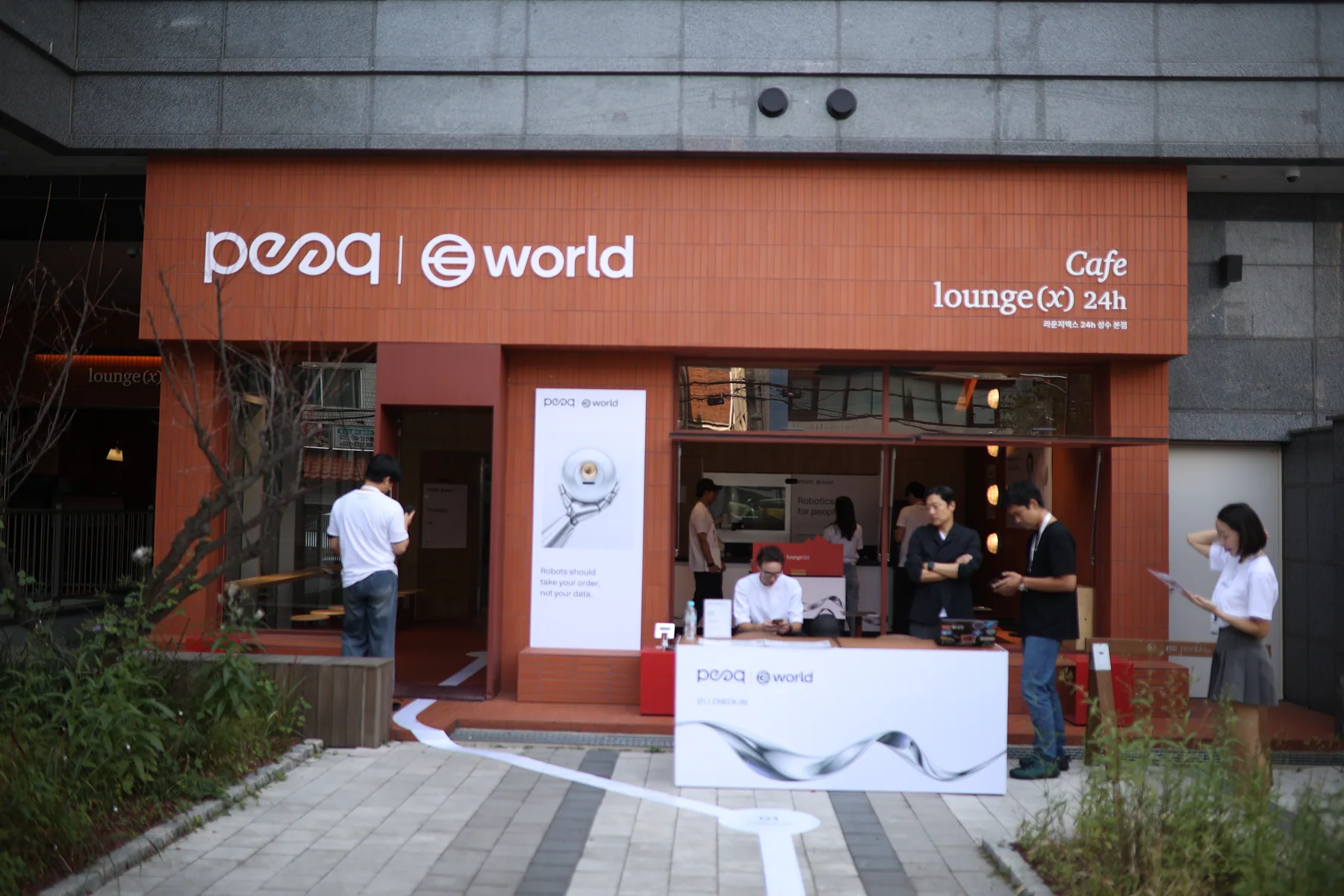
Our team’s experience · KBW 2026
An offline event collaboration with World during Korea Blockchain Week 2026. The peaq × World pop-up brought visitors together around the Orb and live product demonstrations.
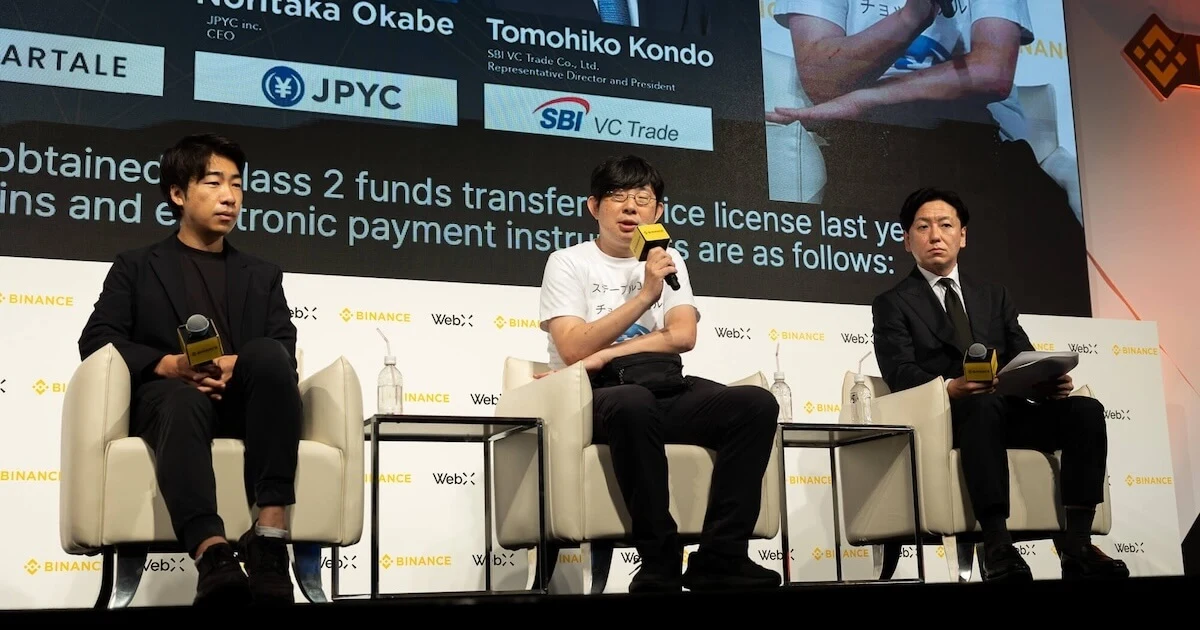
Industry case · Japan · Offline event · 2026
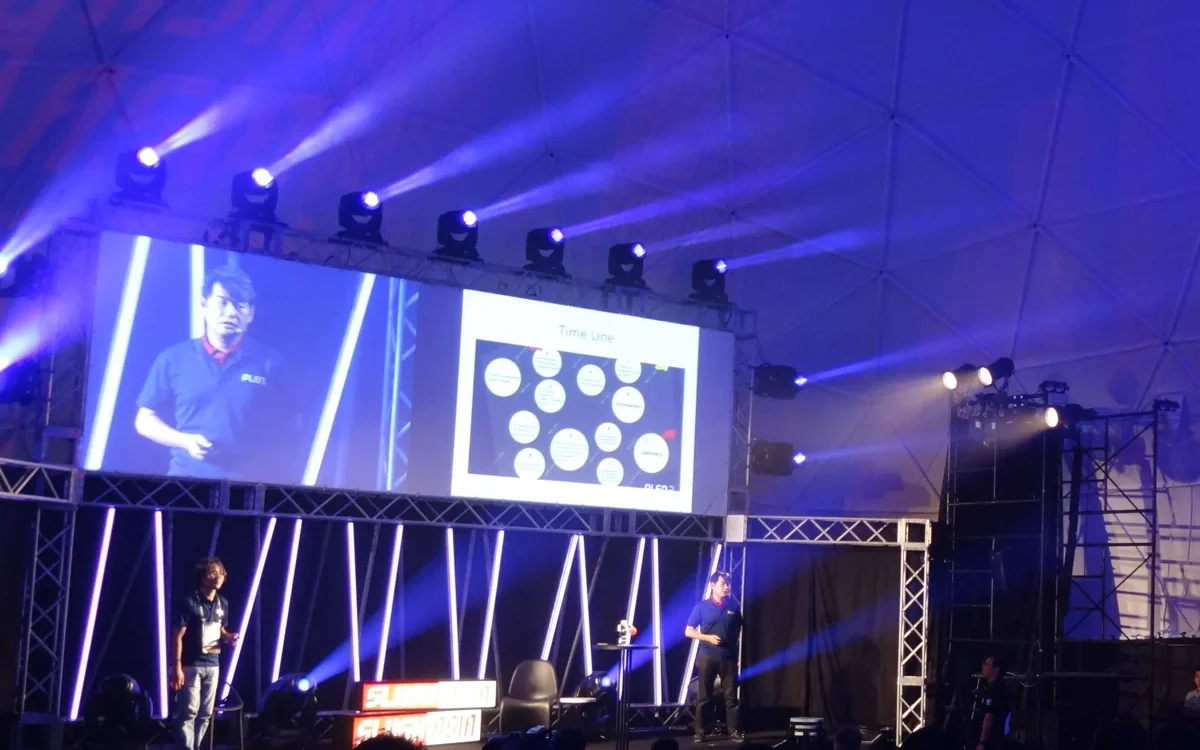
At WebX 2026 in Tokyo, leaders from JPYC, SBI VC Trade and Startale shared a stage to discuss yen stablecoins and their practical applications. The session brought different approaches to digital money into a face-to-face industry conversation.
Public collaboration example; not presented as Panasia’s work.
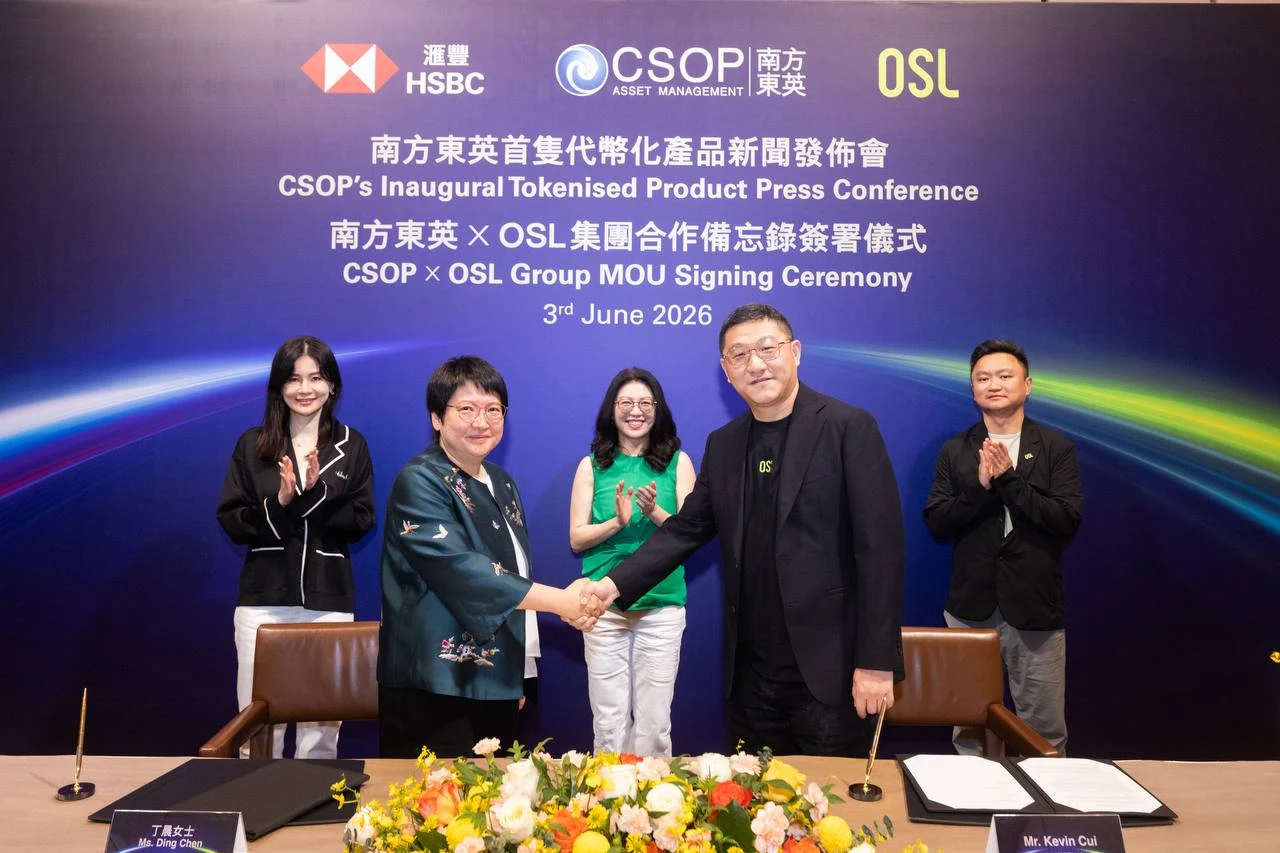
Industry case · Hong Kong · Institutional partnership · 2026
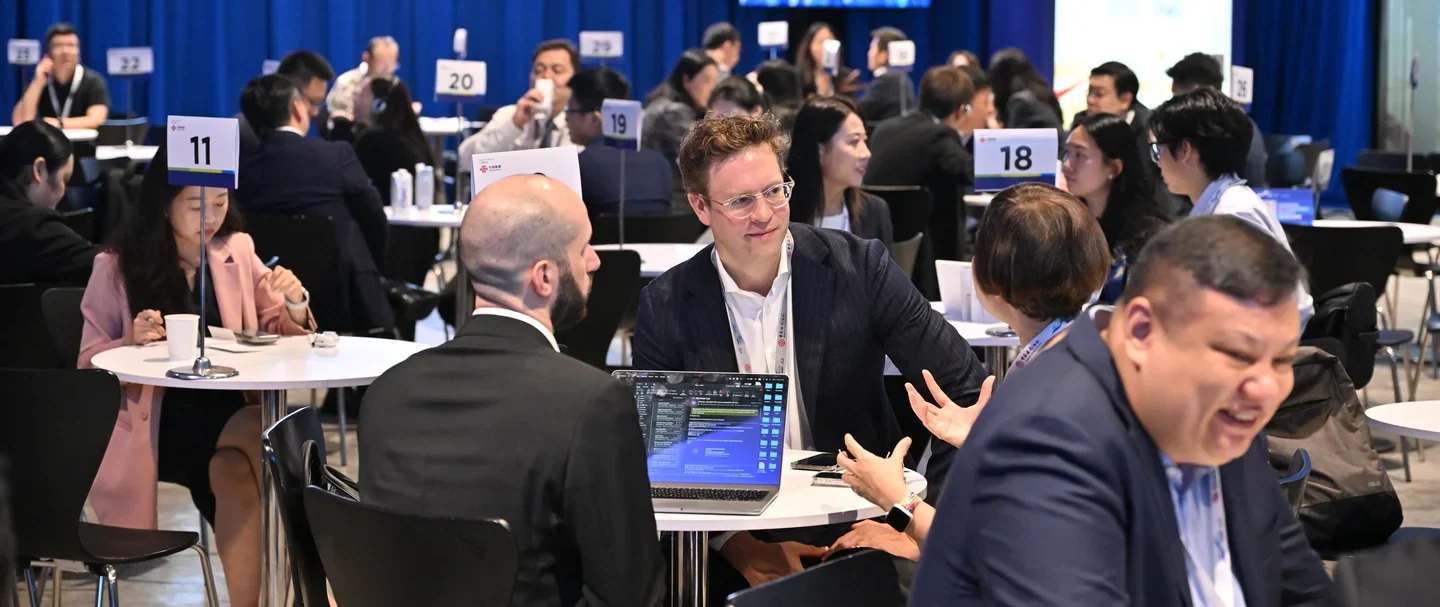
In June 2026, CSOP announced a tokenised money market fund class with HSBC and signed an MOU with OSL on onboarding collaboration. The Hong Kong launch brought asset management, banking infrastructure and digital asset access into one programme.
Public collaboration example; not presented as Panasia’s work.
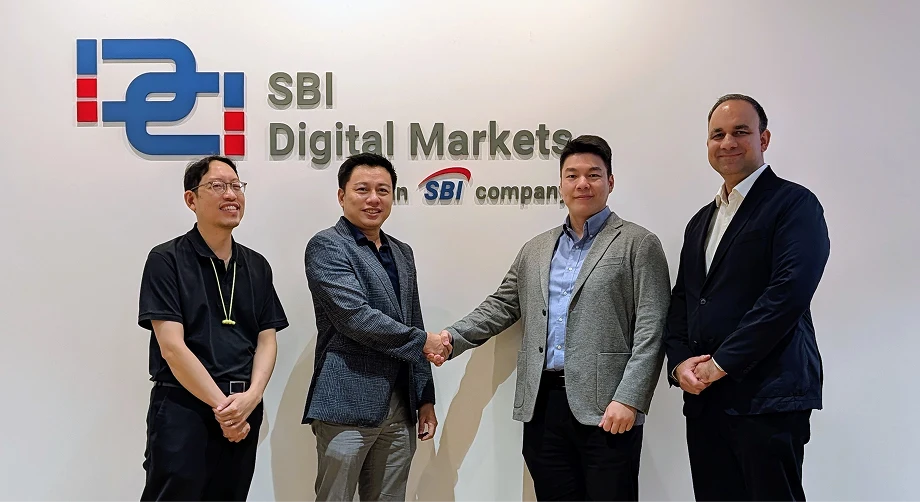
Industry case · Singapore · Institutional partnership · 2026
In May 2026, SettleMint and SBI Digital Markets announced an MOU to support tokenised financial instruments. Their proposed collaboration combines technology for issuing and managing assets with regulatory structuring and institutional distribution capabilities.
Public collaboration example; not presented as Panasia’s work.
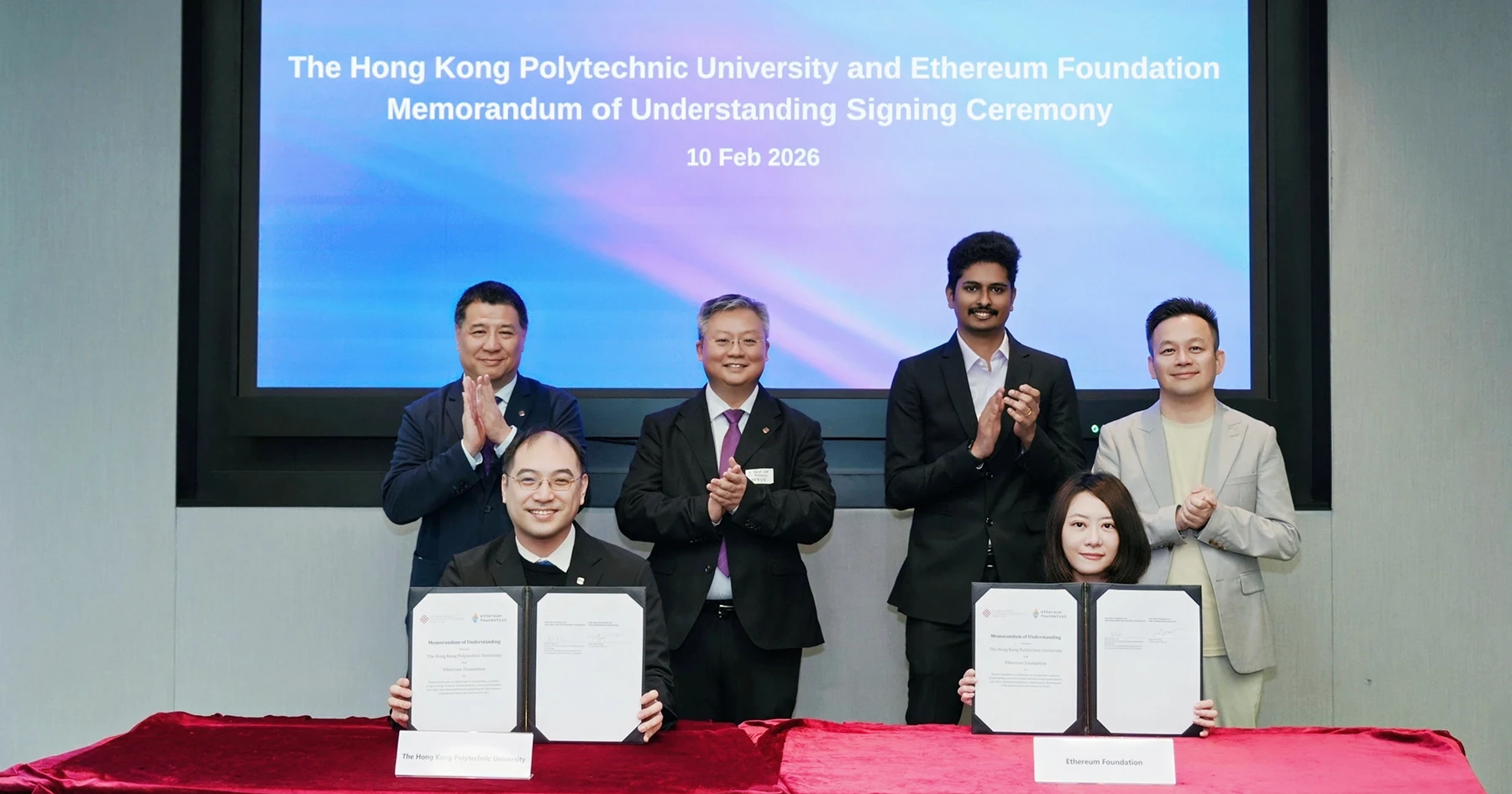
Industry case · Hong Kong · University partnership · 2026
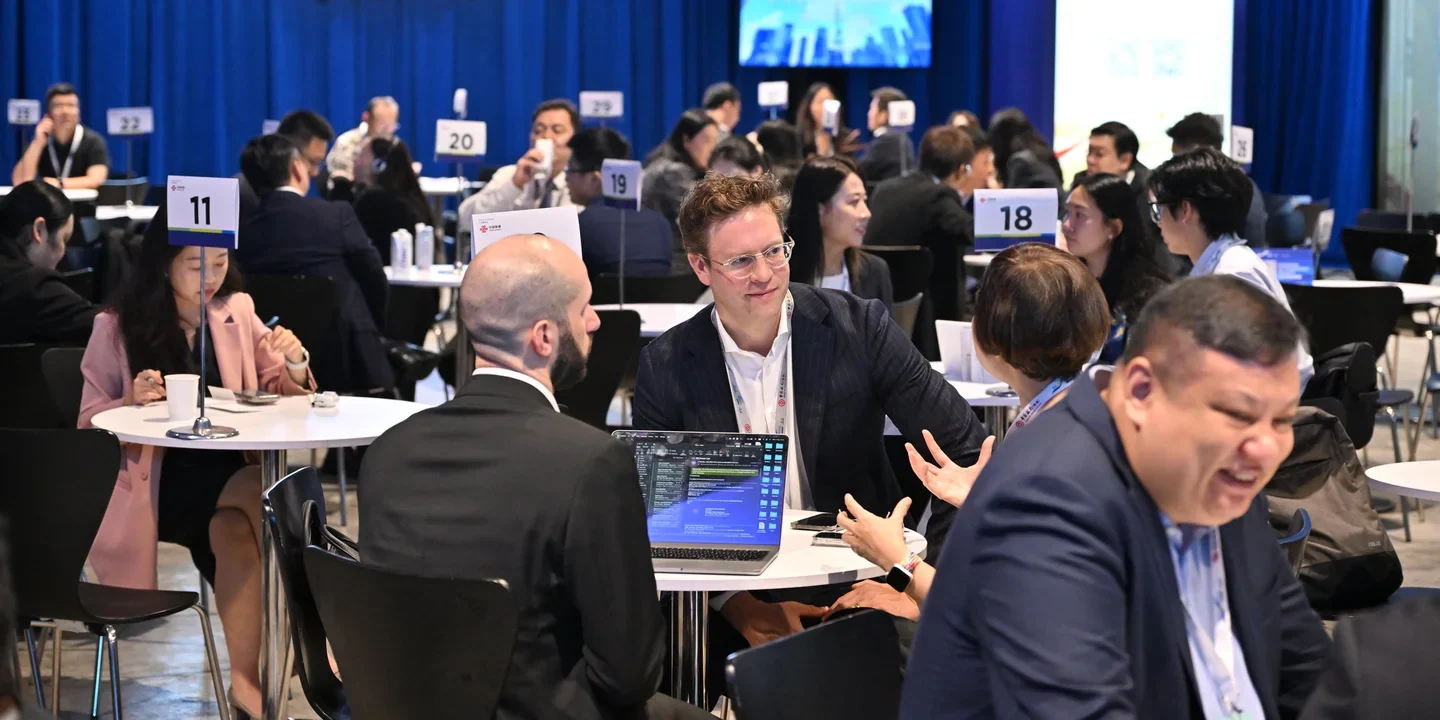
In February 2026, PolyU’s Research Centre for Blockchain Technology and the Ethereum Foundation signed an MOU on research and talent development. The signing coincided with an Ethereum Hong Kong meetup connecting researchers and the local Web3 community.
Public collaboration example; not presented as Panasia’s work.
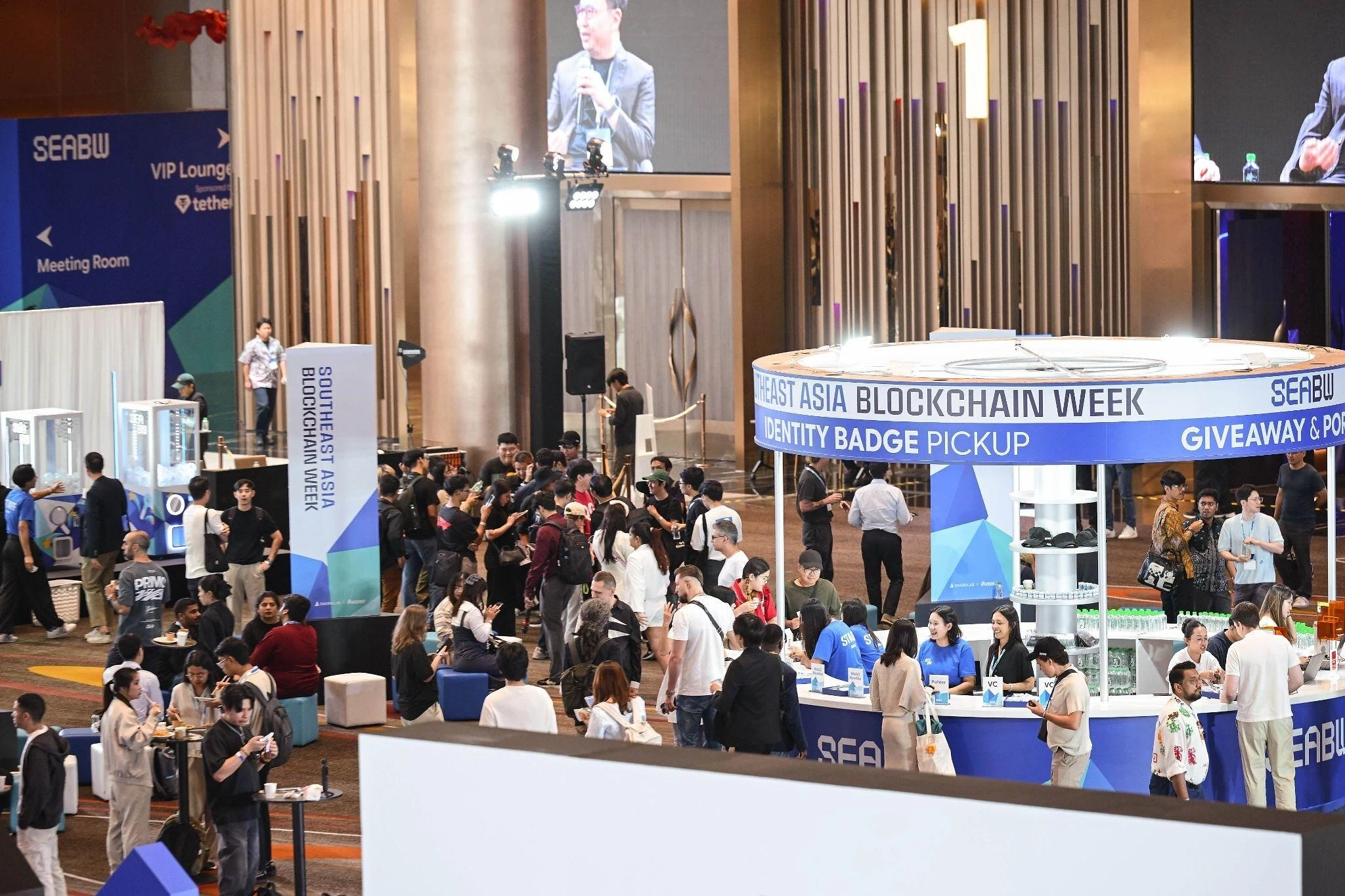
Industry case · Thailand · Institutional event · 2026
In May 2026, SEABW brought regulators, financial institutions and blockchain teams together in Bangkok. Co-hosted by Hashed and ShardLab, the event included SCBX leadership, public conference sessions and closed-door institutional roundtables.
Public collaboration example; not presented as Panasia’s work.
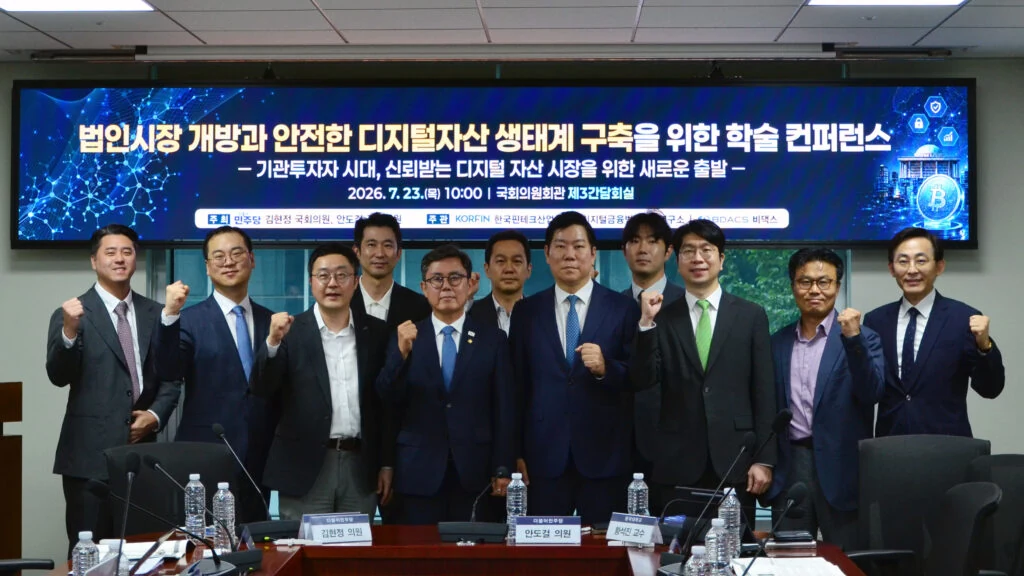
Industry case · Korea · Institutional forum · 2026
In July 2026, BDACS and the Korea Fintech Industry Association helped organise a National Assembly conference on corporate digital asset participation. Lawmakers, financial institutions and industry specialists discussed custody and market infrastructure.
Public collaboration example; not presented as Panasia’s work.
Market understanding for Asia GTM. Mutual fit for Strategic Partnerships.
Two Businesses
Strategic Partnership Development
For Asia GTM, start with the customer, market conditions and entry route. For partnerships, start with the business need, partner role and mutual fit. Agree the preparation and follow-up for each target market.
Define the assignment, prepare the materials, carry out the work and review the response. Each stage produces something the client can use or approve.

Delivering the assignment
Agree the market-entry or partnership objective, work scope and budget. Set measures that fit local execution, partner research, introductions or follow-up.
Develop the market-entry plan or local partner map. Prepare materials, fit evidence and client approvals before outreach. Include a provider comparison when adoption consulting is part of the scope.
Coordinate agreed content, communications and local activity, or introductions and follow-up. Keep the client informed of progress and open decisions.
Compare delivered work and spending with the agreed scope. Use audience response or partner feedback to recommend the next campaign, follow-up or preparation work.