For blockchain companies preparing a Korean pilot: connect a real company requirement to product evidence, a proposal and accountable follow-up.
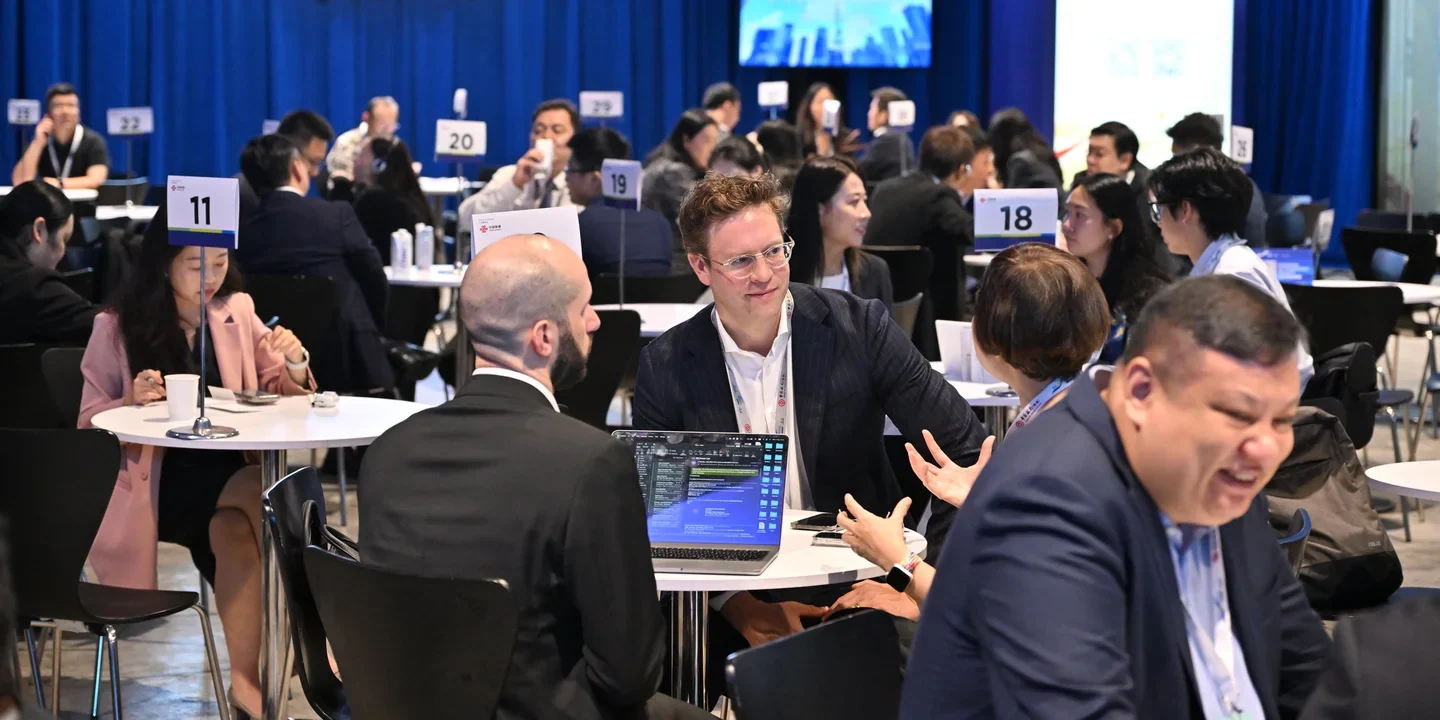
Consider a blockchain company preparing to meet a Korean company’s treasury-operations team. A failed payout must be reconciled with the original payment request. The blockchain company needs to show how its product addresses that operating problem. A useful first meeting starts with a defined pilot proposition: the Korean company’s reconciliation question, a supported transaction example and the next review the company agrees to undertake. This is an illustrative scenario.
From a Korean Company’s Question to an Evidence Request
The blockchain company needs a use-case narrative, supporting product evidence and a plan for responding to the Korean company’s questions. Through Strategic Partnerships, Panasia helps the blockchain company prepare three parts of the first meeting:
- Define the Korean Company’s Requirement: Name the treasury or operations owner and ask what closes a failed-payment exception: original request ID, payout reference, current status, reason for failure and the team responsible for the response.
- Prepare the Product Evidence: Prepare a sample exception record, transfer-status flow and relevant interface documentation. Mark the example’s test conditions and unresolved requirements. Product and operations owners should be able to explain the record during review.
- Plan the Follow-Up: Prepare a meeting note containing the company’s question, evidence requested, your response, remaining gap and next decision. Assign the document owner and the company’s reviewer before scheduling a further product session.
“Can the operations team connect this payout status to the original request and close the exception?” · Illustrative question from a Korean company. “Show us the request ID, payout reference, status, failure reason and response owner in one sample we can inspect.”
For a treasury team, a transferred token is only one step. Compare the full cost and the time until the recipient can use bank money: funding, conversion, redemption and bank delivery each need a responsible provider.
Source: Panasia Research · Stablecoin Payments in Asia and Stablecoin Redemption.
Decide Whether the Pilot Discussion Has Progressed
After the introduction, confirm the Korean company’s operating problem and who will assess the proposal. Use the Panasia research paper Stablecoin Payments in Asia to compare the current route with the proposed route on total cost and usable bank cash. Prepare your fee schedule, supported transaction flow and exception record before discussing a pilot. A review by the company is progress; unanswered outreach remains unanswered. A company still choosing a provider can start with adoption consulting.
Explore Local Partner Development to prepare the proposal and the first meeting with a Korean company.
Give your Korean pilot a next step.
Bring the product, the Korean company you want to reach and the transaction workflow. Add the available documentation and the people on your team who can support the review.