Japanese Message Guide
Deliver the Japanese product overview, terminology guide and campaign message. Adapt the explanation for traders, developers or consumer users rather than translating one global brief for everyone.
Services
Insights
Project Records
About
A Japan launch needs a proposition local users and product teams can act on. We scope the Japanese-language materials, audience channels and partner research around the product you want to bring to market.

Our team’s project experience across markets.

























For a wallet or consumer app, commission a Japanese first-use campaign. For an SDK or infrastructure product, commission an app-partner proposition and integration discussion. Scope both when the product needs both audiences.
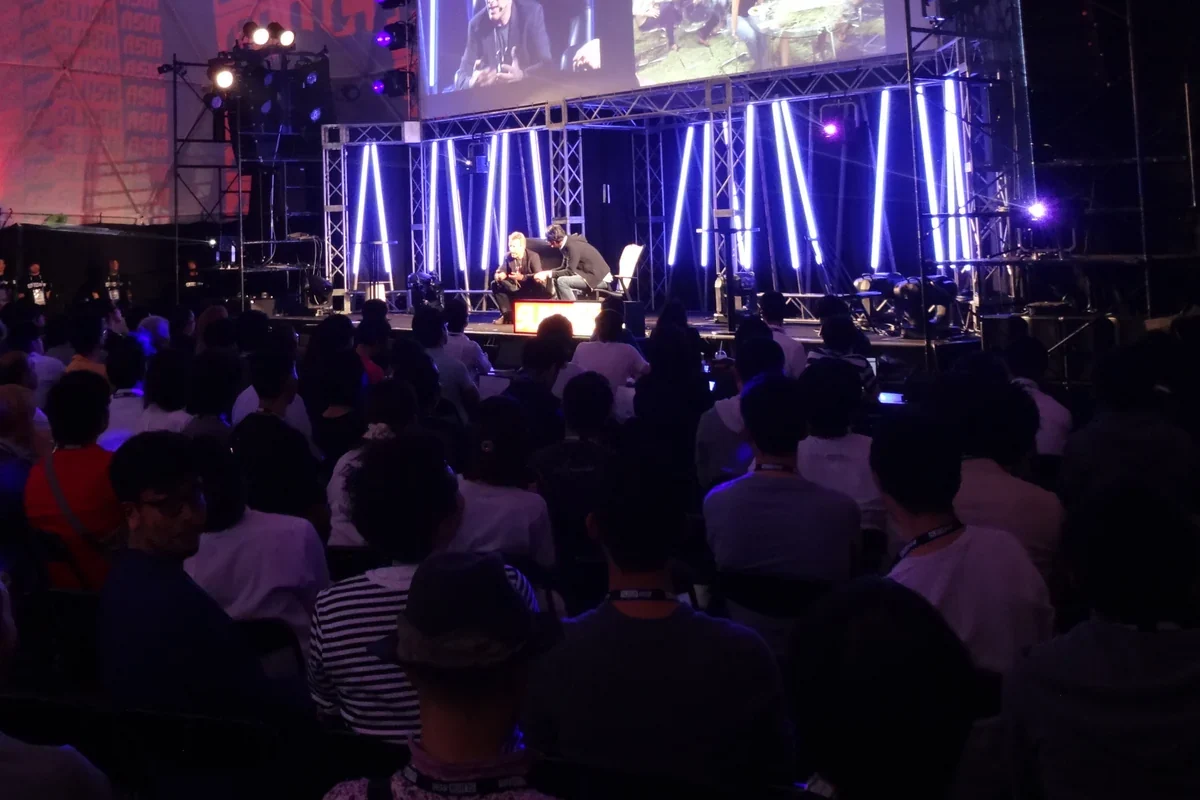
Give Japanese users a clear first experience of your product. Receive a Japanese demo, FAQ and creator briefs, with local terminology and publication timing reviewed together.

Give local app teams a concrete reason to evaluate your SDK or infrastructure. Receive a target-app shortlist, a localized product proposition and a review agenda with follow-up responsibilities.
The Japanese guide, creator brief and integration proposition serve different readers. Keep product terminology consistent while giving each reader the evidence and instructions needed for their decision.
Your product owner and a Japanese reviewer agree one set of names for actions, fees and support. Every later document is written from that decision.
A first-time Japanese user decides here whether the first action is worth trying. Check that the wallet setup, instructions and responder answer that question before creators publish.
An app team engineer decides whether an integration is worth reviewing. Name the use case, the supported SDK functions and the person who answers technical questions.
Illustrative assignment (a Panasia working example, not a delivered project): users receive a Japanese wallet walkthrough; app teams receive an SDK integration brief. The same product demo supports two different decisions.
For users: show the first wallet action in Japanese.
A Japanese walkthrough takes a prospective user from the explanation to a first test action.
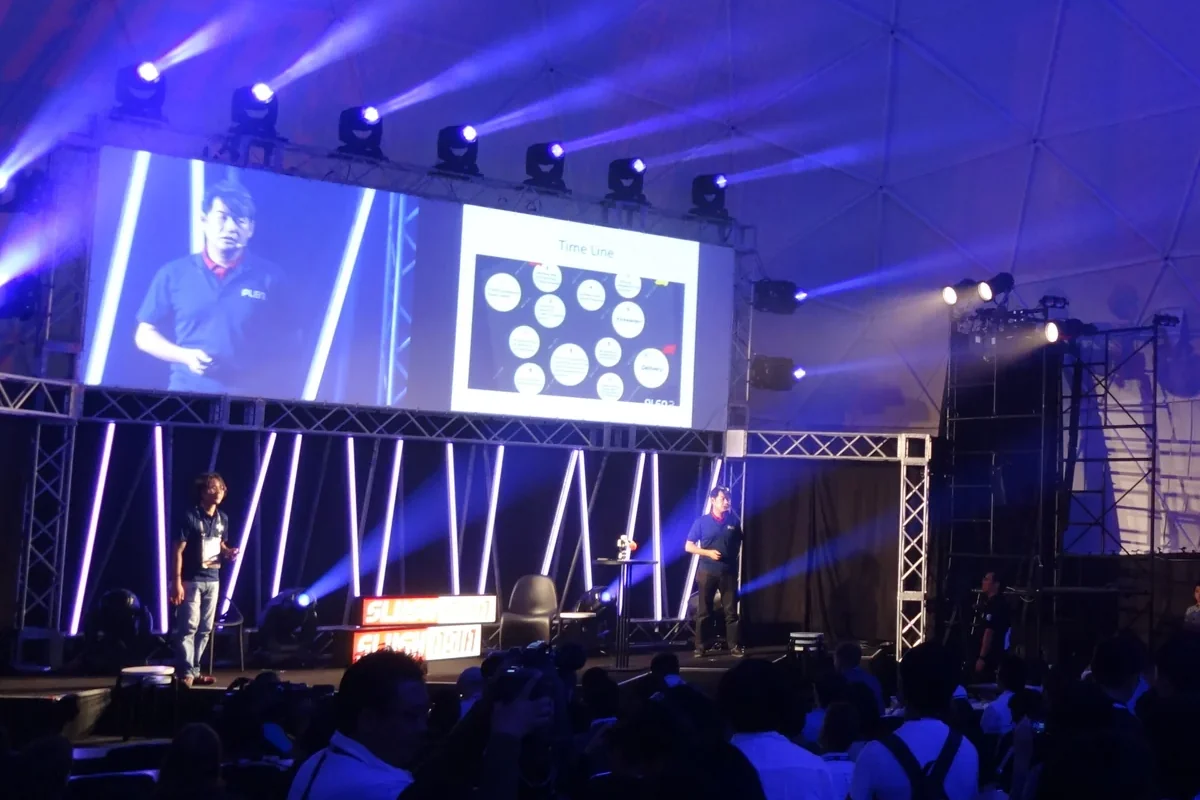
For creators: prepare the explanation and audience questions.
The same product demo informs the creator brief, AMA questions and community FAQ.
For partners: connect the demo to an app integration.
A separate integration brief covers the app use case, SDK documentation and questions for the supplier.
Start with the first-use or integration objective. Select the Japanese positioning, creator content, community sessions or partner work required, and receive the materials and reporting for that scope.
Deliver the Japanese product overview, terminology guide and campaign message. Adapt the explanation for traders, developers or consumer users rather than translating one global brief for everyone.
Build a creator and media shortlist by audience fit. Prepare the brief, agree the content format and coordinate approvals, publication dates and the route into the product.
Prepare Japanese FAQs, onboarding explainers and community sessions. Capture recurring product questions and feed them back to the client’s support and product teams.
Map relevant app teams and developer communities. Deliver an app-team shortlist, a Japanese product introduction and a collaboration hypothesis for each priority conversation. Introductions to companies are offered in Korea only for now.
For a Japan launch, compare smaller side events with the exhibition and business-matching formats described on the WebX 2024 organizer site. Prepare a Japanese product demonstration, an app-team shortlist and separate follow-up paths for prospective users and app teams before choosing the event scope.
Report published content, supported participant actions and recurring user questions. Review app-partner responses separately, including requested SDK evidence and the next product discussion.