Networks Need Builders. Apps Need Users. Exchanges Need Participants.
A network campaign should lead to a first build. A consumer product needs usable onboarding. An exchange campaign needs a defined participant action and product disclosures. The audience determines the work.
Past team projects include Polygon developer and DeFi activation, KuCoin exchange distribution and OpenLedger education and community programs. Each case has its own objective, mechanism and reported result.
Use the relevant case to frame your assignment, then prepare the local proposition, product access and support for your own audience.
One Audience. A Campaign with Defined Outputs.
Receive the market recommendation, local message, creator or contributor briefs and launch calendar. Agree the product action, client approver, costs and reporting before distribution begins.
Market recommendation
Compare audience demand, relevant channels, access requirements and execution costs before selecting the first market.
Local message and materials
Turn product features into creator briefs, search content and community answers that address local questions.
Launch calendar and approvals
Coordinate content, campaign timing, listing communications and partner tasks around one launch or growth plan, and name who approves each item.
Audience-specific distribution
Match the channel to the first action: developer content for a first build, a creator demo for app onboarding, or an AMA explaining exchange access and account setup.
Campaign and response report
Report the agreed first action alongside channel spend: first builds, completed app onboarding or eligible exchange onboarding. Separate those product signals from content reach.
Prepare the Campaign for Its Intended Participant
Six preparation questions connect the audience decision to the local assignment. Each becomes a material, check or responsibility in the campaign plan.
Unclear First Use
A local product overview names the user problem, supported use case and reason for the first action.
Attention Without Access
An access check records onboarding, funding and product availability, with unresolved questions assigned to the client.
Reach Without Fit
A creator or channel shortlist explains audience fit, format, proposed deliverables and available cost information.
Launch Without Support
A launch pack contains the approved local copy, participant instructions and response route.
Unclear Ownership
A delivery plan assigns each brief, approval, publication and correction to a responsible role.
Reach Without Product Action
A reporting plan separates published activity, reach and verified product actions, with campaign spending alongside.
Put the Campaign Plan to Work
Each country scope identifies the work, the delivery owner and the review process before activation. Additional markets follow a verified execution plan.
Creators and community
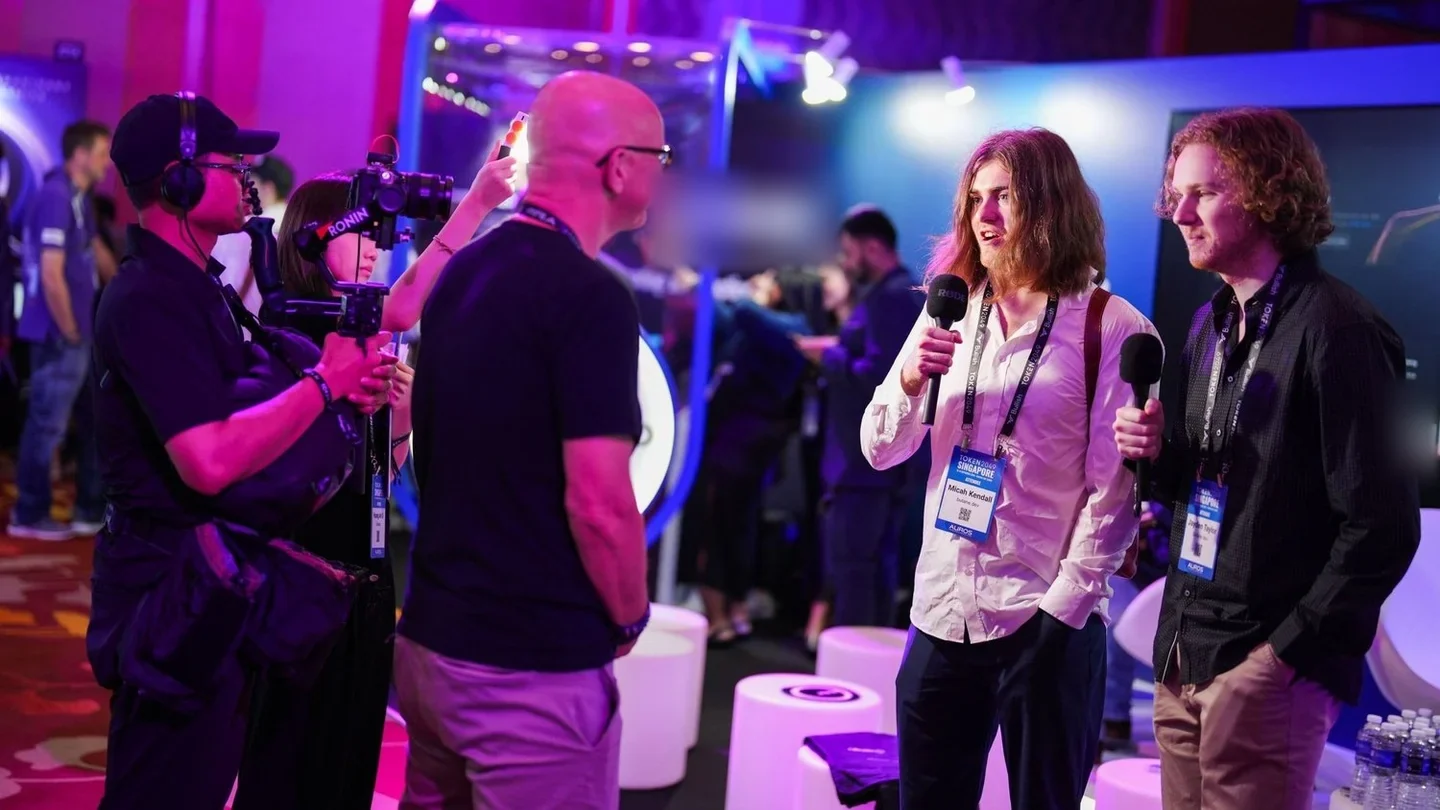
Scope KOL selection, product briefs, AMA preparation and community follow-up around the intended audience.
Listing support
Organize listing materials, exchange questions and launch communications while the exchange retains its decision.
Ecosystem outreach
Prepare the ecosystem proposition, relevant developer and community contacts and the follow-up needed to move a conversation forward.
Client approval record
Every creator post, AMA and partner reply goes through client approval before publication. The approval record names the approver, the date and the next action owner.
Campaign learning
Record channel response, costs and recurring questions so the next brief starts with useful evidence.
Build Your Next Market Plan

Historical case
Polygon: DeFi partnerships, $2M Korean TVL
Historical case
KuCoin: KOL distribution, $150M+ volume

Historical case
OpenLedger: Korean education, AMAs, PR

Panasia Research · market comparison
Asia Market Entry Decision Framework
Give Your Next Market a Working Plan